
Navy taps Gecko Robotics for ship-scaling robots to identify repairs in Pacific Fleet
Gecko will conduct work on 18 ships in the US Pacific Fleet over the next nine months.
Gecko will conduct work on 18 ships in the US Pacific Fleet over the next nine months.
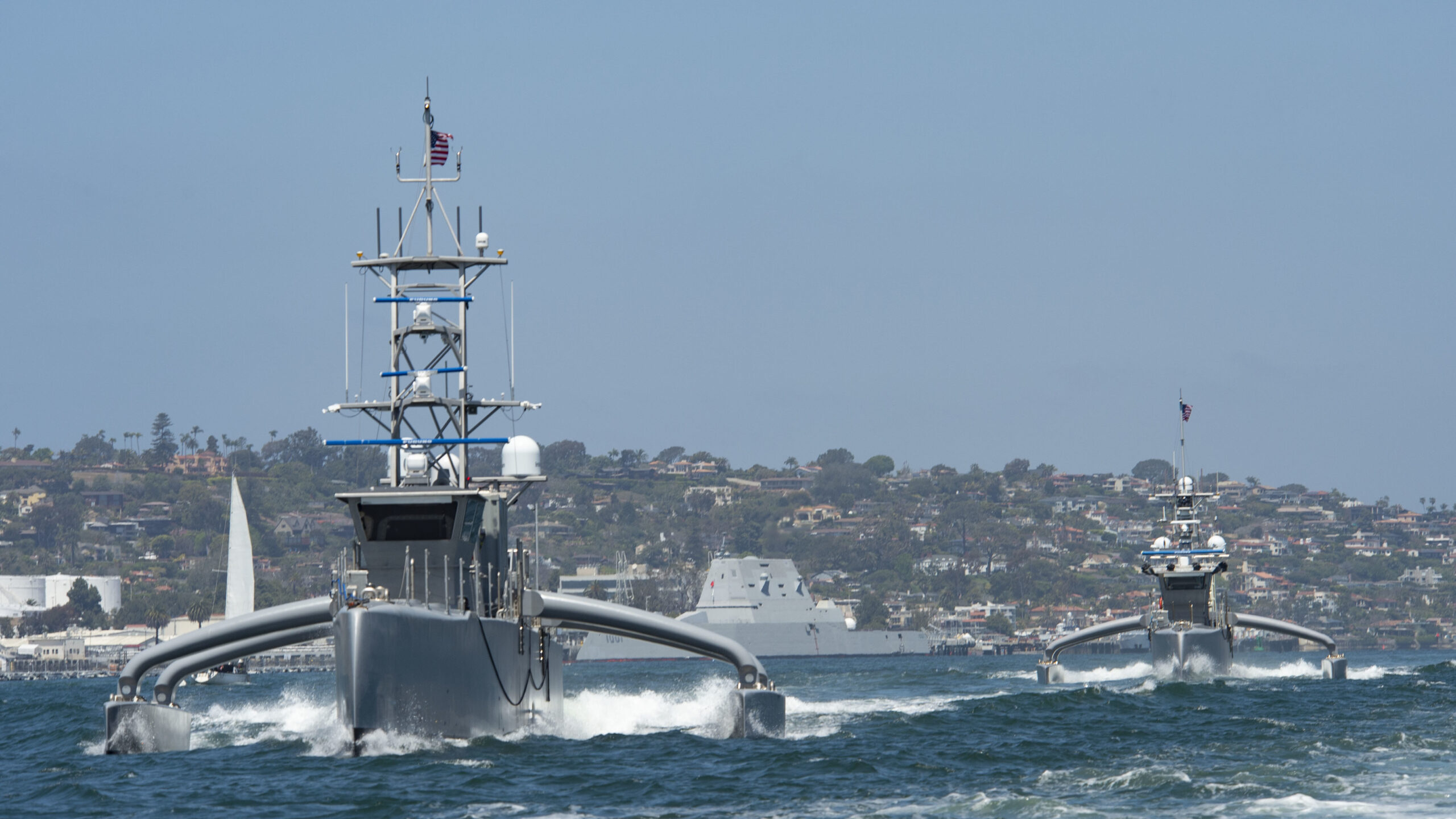
The GAO's report comes just days before the Navy is scheduled to host industry to discuss the new consolidated program.


As threats continue to evolve, speed will increasingly depend on what is already available when the need emerges.
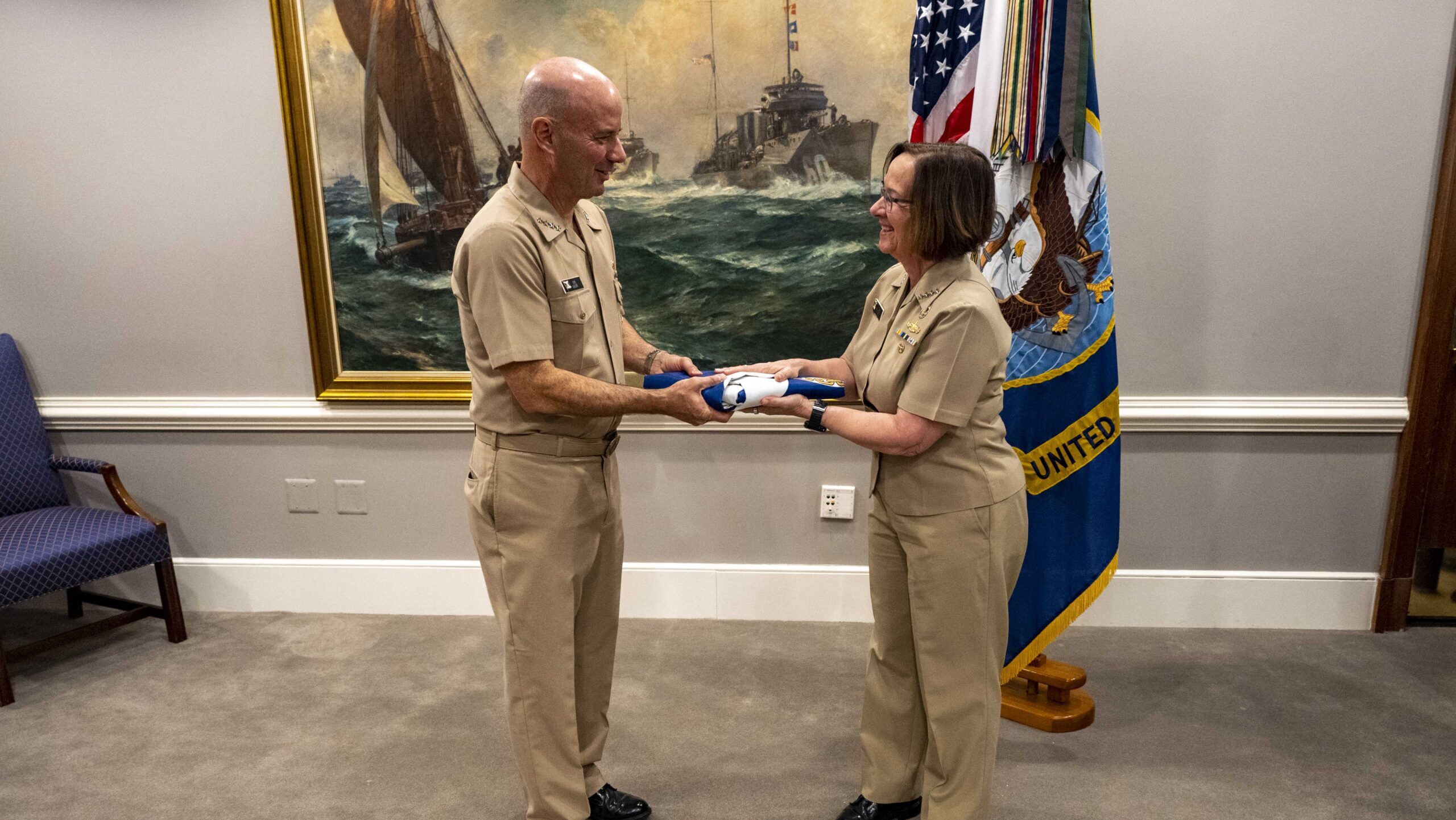
The Navy has never gone this long without a fully empowered chief of naval operations. Former officials and analysts say the consequences of that are stacking up by the day.
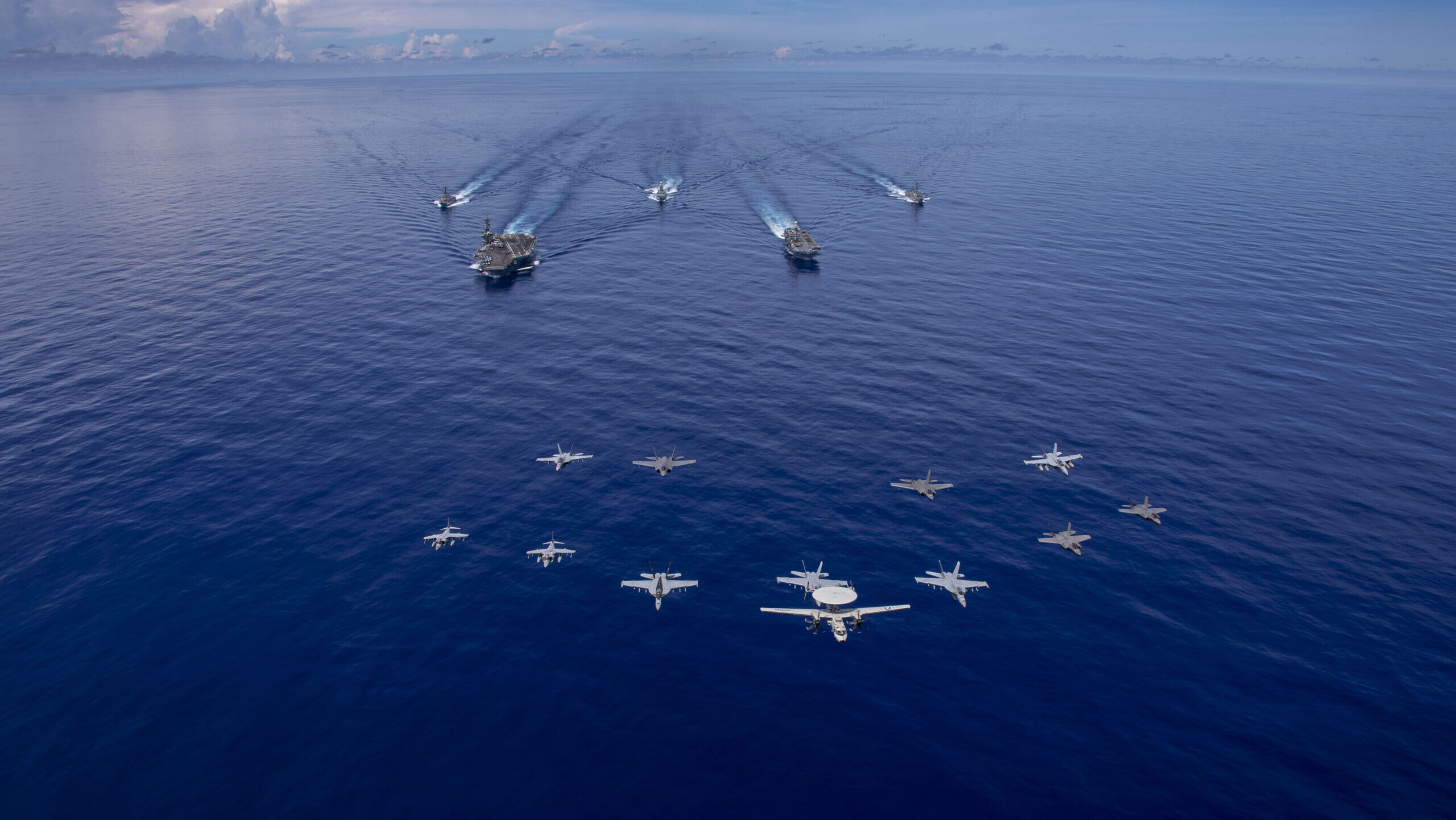
The push for higher surge readiness comes at a time when the Navy's operational commitments globally are rising, to include at the United States's southern border.

“You cannot train units and personnel once the fighting begins without leaving gaps in then-operational forces,” Lt. Gen. Benjamin T. Watson, the head of the USMC Training and Education Command, said.

"I can clearly -- in my mind -- envision a way to say ‘fly a defensive combat spread, shoot on this target,’ and I will squeeze the trigger or I will enable that unmanned platform to shoot the designated target," Rear Adm. Gregory Harris says.

A commitment to long-term operational value.
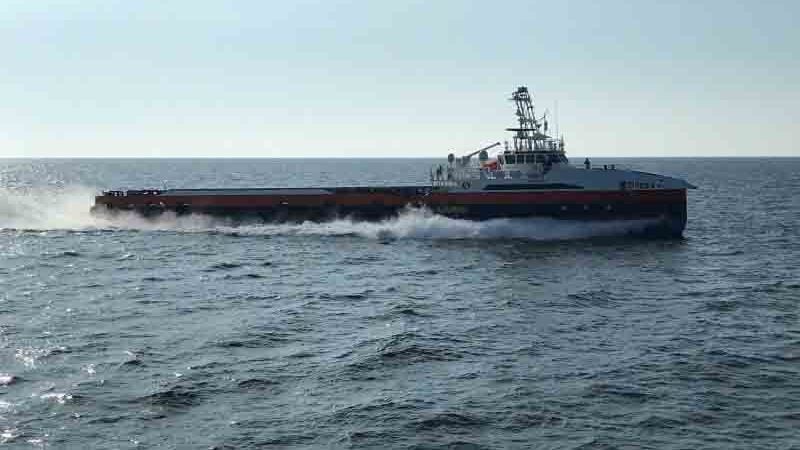
"There is an underlying commitment to move as fast as you can... because the pacing threat is constantly moving and accelerating," said Lt. Gen. Eric Smith, commander of Marine Corps Combat Development Command.
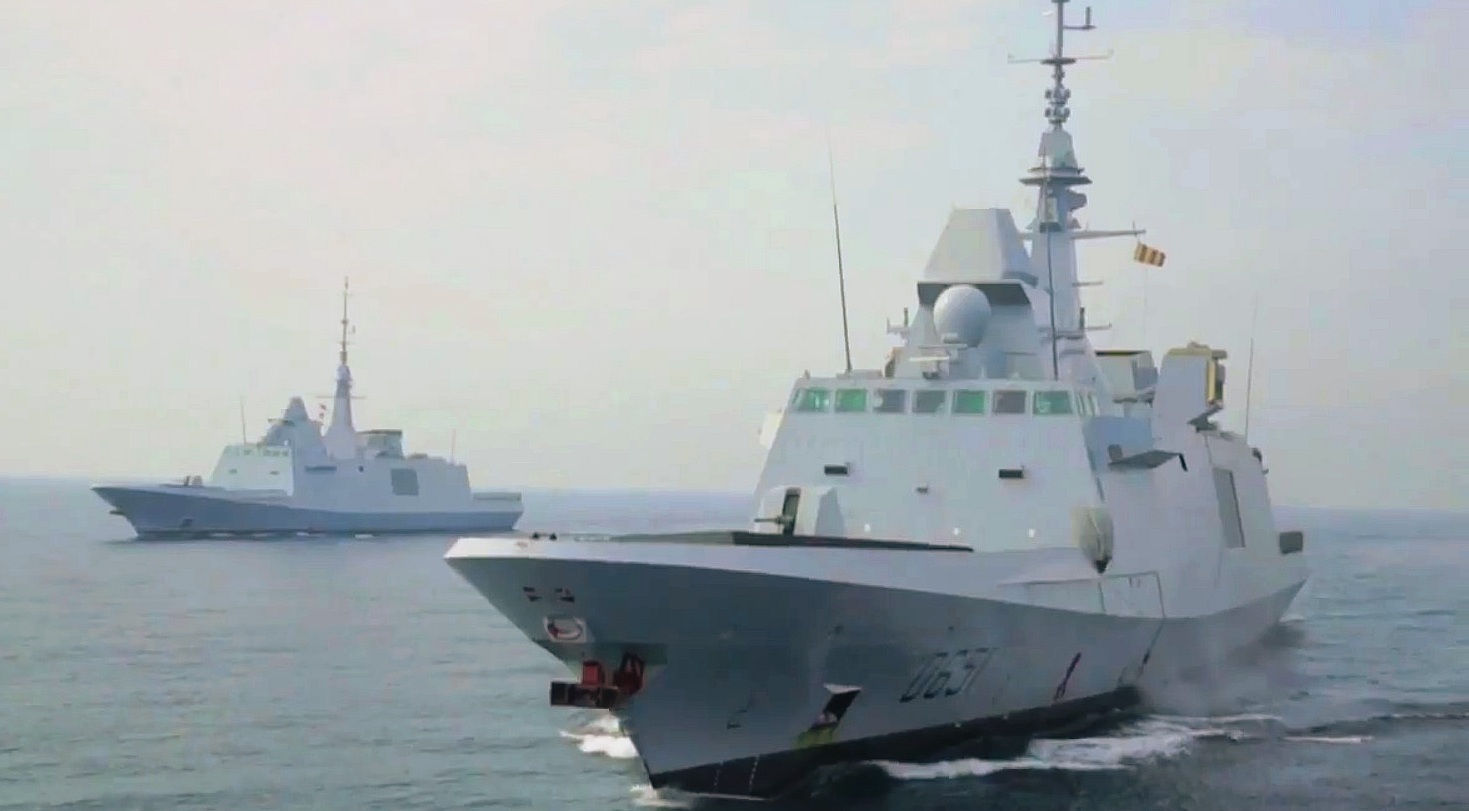
“This is going to be a real workhorse supporting distributed maritime operations in the future,” Vice Adm. James Kilby, deputy chief for warfighting requirements and capabilities, said.

“From an industry perspective, calling us, engaging us, talking to us, and synchronizing that alignment can be most helpful. It can also be, frankly, harmful if the appropriators or the authorizers get some stray voltage that doesn’t match up to the story."